Blog post
Heatwave questions left unanswered: Why isn’t the media reporting the link between climate change and heatwaves?
Nico King
August 17, 2026
We’ve all seen the headlines. We’ve all felt the heat.
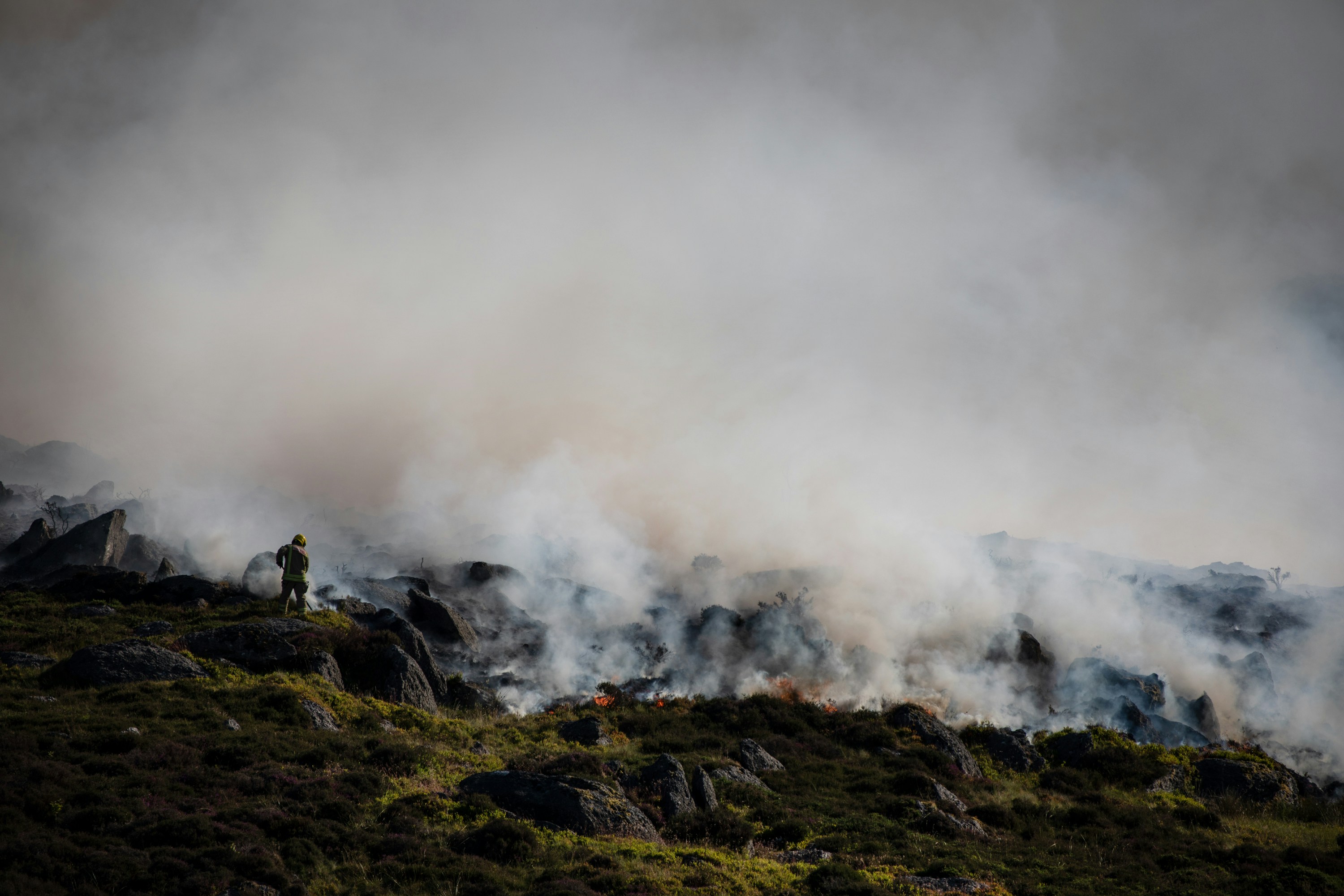
The UK has undergone six separate heatwaves between May and mid-August 2026, broken nation-wide temperature records at least ten times, including some set in the 1976 heatwave, suffered countless wildfires on land protected for wildlife conservation, farmland and public parks, and lost over 2,900 people to heat-associated deaths. And while any one of those points are enough to make my stomach churn with anxiety and sadness, I have two more difficult questions: why isn’t the media reporting the link between climate change and these heatwaves, and how will these heatwaves impact our food security?
Older members of my family read newspapers as their primary source of news, and I’ve seen plenty of articles about the heatwaves.
“Yorkshire placed under amber heat alert as UK records hottest June day”
“Wildfire warning as Yorkshire's fire severity index raised to 'exceptional'”
“UK’s heatwaves led to almost 3,000 deaths”
“Why this summer's stop-start weather could be ruining your lawn”
But reading through some of them, it quickly became clear that editors are reluctant to mention that climate change is increasing the likelihood of such severe and frequent heatwaves, and that climate was rarely mentioned at all. While disappointing, I hoped this might be a reflection of just our local (centre-right to right leaning) papers. Instead, I saw that pattern reflected elsewhere. The Energy and Climate Intelligence Unit (ECIU) analysed almost 2,500 articles published on the extreme heat (as of the 17th of July) and found that 72% failed to mention climate change at all, and over 95% omit mentions of “net zero”.
Leading climate scientists have written to OFCOM and senior news editors at some of the UK’s most-accessed media outlets about their concerns regarding media coverage of extreme weather, climate change and net zero. If the media doesn’t inform the public that the extreme weather we’re beginning to see more often is a result of climate change, large swathes of the public will simply not learn about the link between the two phenomena. Additionally, by omitting the role of sustainability policies, such as net zero, in abating climate change, while platforming climate denialists and others talking endlessly and solely about the economic cost of these policies, media outlets contribute to the growing animosity towards climate discussion.
People are seeing their friends and family suffer, natural landscapes and public parks turn from green to yellow, sometimes even black, the quality of their work and school work decline as excessive hot weather impairs decision making and memory, and increases risk taking behaviour. But they aren’t being given the information and tools they need in order to reduce the risk of heatwaves increasing in number and severity. Without the knowledge that climate change is the main factor driving temperature rise and changes in annual weather patterns, the public won’t move to back sustainable policies including reducing funding on and reliance on fossil fuels, lower carbon diets, voting for pro-climate-action representatives, and improved climate education.
Cover Photo by Neil Thomas on Unsplash