
Blog post
"Only YOU can prevent global warming": Who’s to blame for the climate crisis?
Eli Atkinson
February 26, 2026
Who’s to blame for the climate crisis? No, seriously. Who do you accuse?
I think, consciously, most of us would point our fingers at the multi-billion pound1 fossil fuel conglomerates and giants of the world that look at the delicate, beautiful nature of our Earth, and overlook it all, seeing instead an ‘untapped market’ of land to be exploited for capital gain. But, subconsciously, do we not also blame ourselves?
For years, the state of climate solution education has been to turn off the lights when you leave the room; don’t leave water running while brushing your teeth; recycle your plastics, and use paper straws. All of these are framed around the idea of focusing on our Carbon Footprint, the amount of CO2 pollution our daily activities release, but do we ever question the authenticity of such an idea? I mean, it’s everywhere! From the press, government websites, and advertising, to what we are taught in school, everybody knows that we need to be mindful of our Carbon Footprint. I ask, do we?
Fossil fuel corporations love telling you what to do, and they do, extensively.
They ask you to ignore what is observed, and has been observed for a long time, with our rising global temperature2 and how it directly links to their actions.
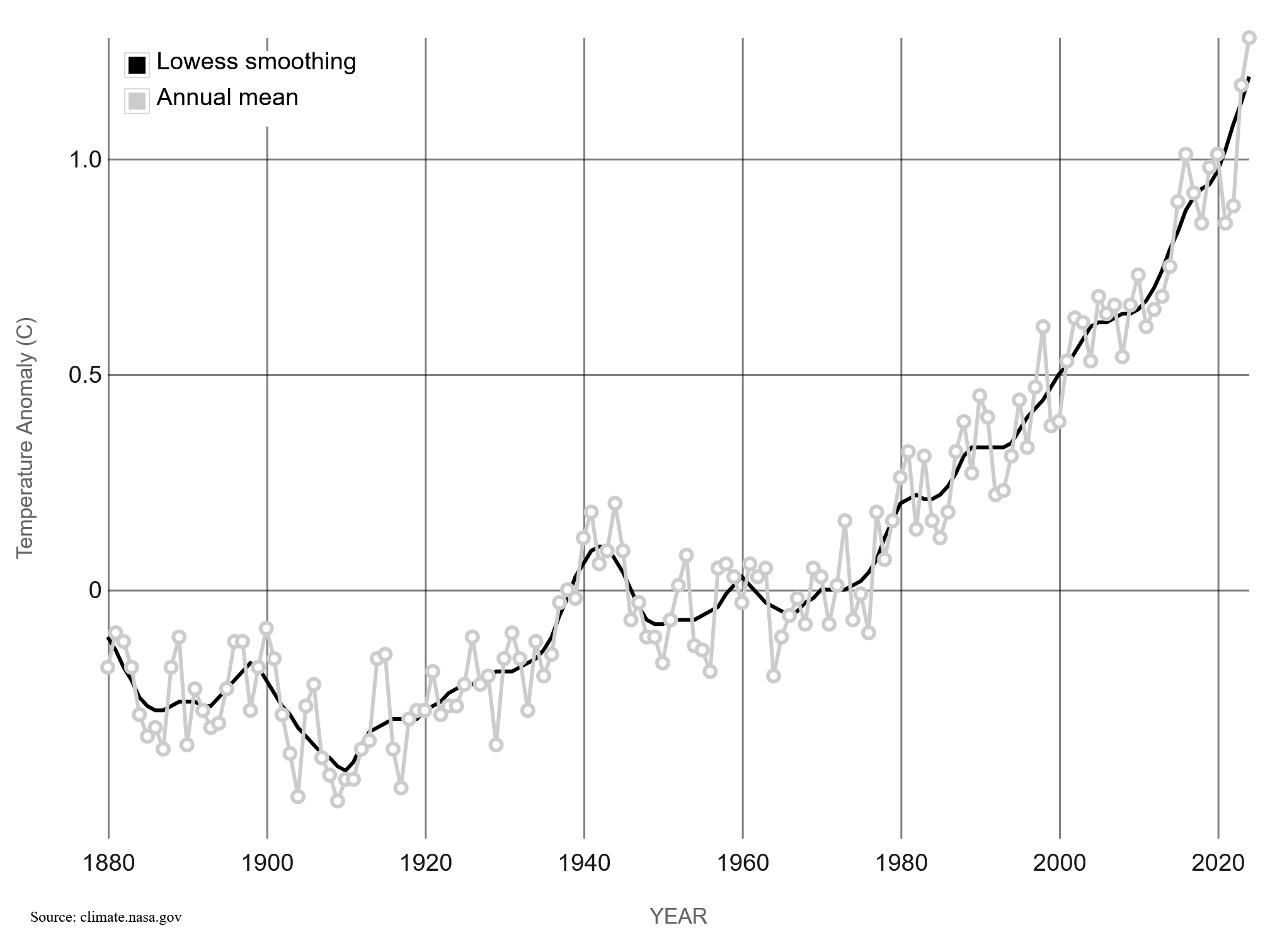
When Shell3 and BP4 set up educational and career advice resources for students, to greenwash their image, they ask you to ignore their actions.
When BP sponsors the Science Museum Group Academy, a learning platform for educators with over 500 courses, and fund and lobby a science research project, they ask you to ignore their actions.5
Would you be surprised to learn that ‘Carbon Footprint’ is not a scientific term, but a marketing one? Specifically, coined by BP in the early 00s to begin systematically changing the way we think about whose fault the climate crisis is. As Mark Kaufman writes,
The company unveiled its “carbon footprint calculator” in 2004 so one could assess how their normal daily life — going to work, buying food, and (gasp) traveling — is largely responsible for heating the globe.6
If BP could make people blame inevitable aspects of their life like commuting and nutrition for global warming, they could silently slip into the shadows and continue to wreck ecosystems in the name of energy. It worked.
BP wants you to accept responsibility for the globally disrupted climate. Just like beverage industrialists wanted people to feel bad about the amassing pollution created by their plastics and cans, or more sinisterly, tobacco companies blamed smokers for becoming addicted to addictive carcinogenic products.
It is important to note here that apathy is not the answer to global warming, and some individual changes can have real impact on the climate, but to exercise caution the next time an energy company is asking you to ‘find out your #carbonfootprint’. Individual actions that release greenhouse gases are just a drop in the ocean of industrial-scale emissions from oil, coal, and gas. It follows that individual changes: cycling to work, eating a plant-based diet, etc., are draining said ocean drop-by-drop. Changing yourself for the better is fantastic, especially concerning overconsumption and fast fashion, but you’ve been misled if you think that individual change alone can fix the climate crisis.
Going back to when I mentioned educational resources, this is where I think our efforts should be spent: breaking the cycle of teaching children that the individual is who caused global warming, as if humans haven’t existed for millennia, by campaigning for higher quality education.
If “the younger generations are the future”, would we not want to set them up in the best way to help them fight for a world that isn’t growing hotter by the year?